
„Záleží na tom“ je nejotravnější fráze ve webovém vývoji — a zároveň ta nejupřímnější. Zeptejte se deseti agentur, kolik stojí web, a dostanete deset různých čísel, z nichž žádné bez kontextu nic neznamená. Není to proto, že by se vás agentury snažily nachytat na vyšší cenu. Je to proto, že „web“ není produkt, ale spíš kategorie. Podobně jako „auto“ je kategorie. Ojetý hatchback a nové lamborghini jsou obě auta. Jen nesdílejí cenovku, způsob výroby ani účel.
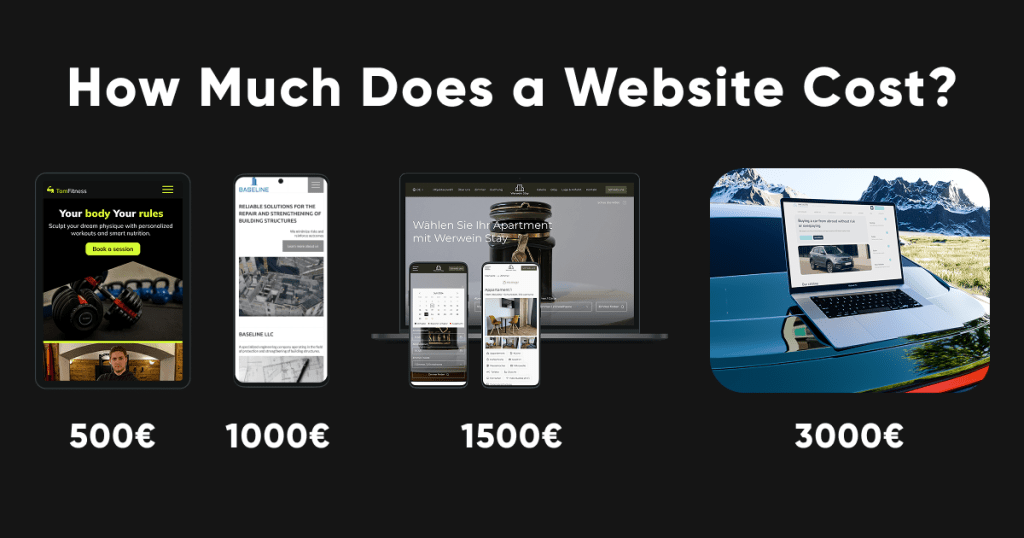
Tento článek tuto otázku podrobně vysvětlí. Níže najdete reálné cenové rozpětí, co konkrétně cenu posouvá nahoru nebo dolů, a náklady, které se tiše objeví až po spuštění webu — ty, které většina nabídek pohodlně vynechává.
Rychlá odpověď (TL;DR): V roce 2026 web obvykle stojí mezi 500 a 100 000+ $, v závislosti na typu. Jednoduchá landing page vyjde na 500–3 000 $. Standardní vícestránkový firemní web stojí 1 500–8 000 $. E-shop stojí 1 000–20 000+ $. Vlastní webová aplikace nebo platforma začíná zhruba na 10 000 $ a nemá reálný strop. Kompletní přehled včetně skrytých nákladů a toho, co cenu žene nahoru, najdete níže.
Proč „záleží na tom“ vlastně něco znamená
Než vám kdokoli řekne číslo, potřebuje vědět, co vlastně stavíte. Jednostránkový web pro místního instalatéra a čtyřicetistránkový e-shop s vícejazyčnou platbou jsou oba „weby“, ale staví je jiní lidé, v jiných termínech, jinými nástroji. Naceňovat je stejně by bylo, jako byste podle stejného ceníku nabízeli opravu kola a opravu auta.
Konečnou cenu opravdu určují tři věci:
- Typ — jaký web stavíte a kolik má pohyblivých částí, funkcí a hodin designu/vývoje.
- Kdo ho staví — vy sami pomocí stavebnice webů, freelancer, nebo agentura.
- Přídavky — všechno, co po cestě přidáte a co nebylo v původním plánu.
Jakmile zjistíte, kde v těchto třech bodech stojíte, rozpětí se rychle zúží. Projdeme si je jeden po druhém, počínaje typem, protože to je ze všeho největší faktor.
Cena webu podle typu
Zde je kompletní přehled:
| Typ webu | Typické cenové rozpětí | Nejvhodnější pro |
|---|---|---|
| Nejlepší pro Landing page / jednostránkový web | $ 500– $3,000 | Jedna nabídka, událost nebo sběr kontaktů |
| firemní web | $ 1,500– $8,000 | Zavedené malé až středně velké firmy |
| E-shop | $ 3,000– $20,000+ | Prodej fyzických nebo digitálních produktů |
| Custom Web App / Platform | $ 10,000– $100,000+ | Rezervační platformy, tržiště, SaaS |
Landing page / jednostránkový web

Typické rozpětí: 500–3 000$
Jde o jednu rolovací stránku postavenou kolem jednoho cíle — prodat kurz, propagovat akci, sbírat kontakty na jednu službu. Bez blogu, bez více sekcí, obvykle bez CMS nad rámec základní editace. Dolní hranice pokrývá stavbu na šabloně s lehkou úpravou; horní hranice vám přinese vlastní design, copywriting a strukturu zaměřenou na konverze.
Pro koho je: sólo podnikatelé, pořadatelé akcí, kdokoli, kdo testuje hypotézu, než se pustí do něčeho většího.
Firemní web

Typické rozpětí: 1 500–8 000 $
Toto je standardní nastavení pro malou firmu — domovská stránka, služby, o nás, kontakt, možná blog. Většina cenového rozdílu zde plyne z designové práce (šablona vs. plně vlastní design) a z toho, kolik obsahu je třeba napsat, strukturovat a zorganizovat. Klinika, advokátní kancelář, stavební firma — takový web obvykle bývá hlavním zdrojem poptávek.
Pro koho je: zavedené firmy, které potřebují reálnou digitální přítomnost, ne jen jednu stránku s nabídkou.
E-shop
Typické rozpětí: 2 000–20 000+ $
Teď přibývá katalog produktů, zpracování plateb, správa skladu, logistika dopravy a často zákaznické účty. Malý obchod s 20 produkty na Shopify se pohybuje na spodní hranici. Vlastní e-shop se složitými cenovými pravidly, více sklady nebo B2B velkoobchodní logikou se pohybuje výrazně nad 15 000 $.
Pro koho je: kdokoli, kdo prodává fyzické nebo digitální produkty přímo online.
Vlastní webová aplikace / platforma
Typické rozpětí: 10 000–100 000+ $
Tohle už vlastně není „web“ v tradičním smyslu — jde o rezervační platformy, tržiště, interní nástroje nebo SaaS produkty. Cenu tu určují hodiny vývoje, ne designové šablony, a rozpětí je tak široké, protože hranice složitosti prakticky neexistuje.
Pro koho je: firmy, které staví produkt, ne jen prezentaci.
Stavebnice webů vs. WordPress vs. vlastní vývoj
Typ webu vám řekne, co stavíte. Tahle část vám řekne jak, a to cenu mění stejnou měrou.
Stavebnice webů (Wix, Squarespace, Readymag a podobné)
Cena: zhruba 15–50 $/měsíc, někdy k tomu jednorázový nákup šablony.
Toto je nejrychlejší a nejlevnější způsob, jak něco dostat online. Přetáhnout, pustit, publikovat. Kompromis se projeví později — stavebnice jsou skvělé, dokud vaše potřeby nepřerostou šablonu nebo dokud nemáte náročnější klientelu. Vlastní funkcionalita, pokročilá kontrola nad SEO a škálování nad určitou velikost se stávají obtížnějšími, někdy až nemožnými bez úplné změny platformy. Majitelé firem obvykle dobře znají svůj byznys, ale chybí jim znalosti v designu, SEO a/nebo marketingu, což vede k webu, který není tak úplně optimální.
Více informací o tom, jak si vytvořit vlastní webové stránky, najdete v našem článku „Dokonalá vstupní stránka“
WordPress / CMS
Cena: 50–500 $ za platformu a pluginy, plus čas vývoje navrch (od pár set až po několik tisíc dolarů podle míry přizpůsobení).
WordPress pohání obrovskou část internetu z dobrého důvodu — je flexibilní, má plugin skoro na cokoli a nezavazuje vás k ekosystému jedné firmy. Háček je v tom, že tahle flexibilita jde ruku v ruce s křivkou učení. Buď investujete čas do jeho naučení, nebo zaplatíte někoho, kdo už ho zná. Podrobný přehled nákladů, od šablony a pluginů po práci vývojáře, najdete v článku WordPress web cena: kolik stojí tvorba.
Vlastní vývoj na míru
Cena: začíná zhruba na 1 000 $ a odtud roste bez reálných limitů.
Nic hotového, nic vypůjčeného z knihovny šablon. Každý řádek je postaven přesně pro vaše konkrétní cíle. Je to na začátku pomalejší a dražší, ale je to jediná cesta, když potřebujete něco, co stavebnice nebo hotový plugin prostě nezvládnou — neobvyklá funkcionalita, vysoké nároky na výkon nebo design, jaký nikdo jiný na internetu nemá.
Řada majitelů firem přeceňuje šablony a podceňuje vývoj na míru. Kód na míru v mnoha případech lépe prochází testováním, lépe konvertuje a přitahuje víc klientů.
Tady je věc, kterou většina lidí přehlédne: levnější na začátku neznamená vždy levnější celkově. Stavebnice za 20 $/měsíc, kterou za 18 měsíců přerostete a budete ji muset od nuly přestavět na WordPressu, nakonec vyjde dráž — časem i penězi — než kdybyste ji rovnou postavili pořádně.
Skryté náklady, o kterých nikdo předem nemluví
Nabídka na web málokdy pokrývá všechno, za co reálně budete muset zaplatit. Tady je to, co obvykle chybí na faktuře a později se objeví jako nemilé překvapení:
- Doména — obvykle 10–20 $/rok, levné, ale snadno se na to zapomene.
- Hosting — od 5 $/měsíc za sdílený hosting až po 100+ $/měsíc za něco, co zvládne reálný provoz.
- SSL certifikát — dnes často přibalený zdarma k hostingu, nebo ho vývojáři dají zdarma. Můžete koupit dražší variantu za zhruba 100–500 $/rok, ale je opravdu sporné, zda to klientovi přináší nějaký rozdíl.
- Prémiové pluginy nebo licence — rezervační systémy, pokročilé stavebnice formulářů, SEO nástroje. Na WordPress webech se to rychle nasčítá.
- Stock fotografie nebo vlastní vizuály — pár dobrých stock fotek může vyjít na 50–200 $; vlastní fotografování nebo ilustrace stojí ještě víc.
- Copywriting — někdo musí napsat samotný text na stránky. Spousta rozpočtů zapomene, že tohle je samostatná položka. Agentury často mají vlastní copywritery, zatímco freelancerům někdy chybí schopnost napsat text, který prodává.
- Průběžná údržba — aktualizace, zálohy, bezpečnostní záplaty. Buď si to děláte sami, nebo si naplánujete rozpočet na někoho, kdo se o to postará.
- SEO po spuštění / reklama a marketing — web, který nikdo nenajde, neplní svůj účel. Základní nastavení je levné; průběžná optimalizace je investice, ne jednorázový poplatek. Nebo můžete přivádět návštěvnost přes reklamu — to je lineární náklad na zákazníka: čím víc reklamy koupíte, tím víc zákazníků na web přivedete. Co je SEO a proč ho potřebujete, rozebíráme v jiném článku — „Co je SEO a GEO“
Žádná z těchto položek sama o sobě nikoho nepoloží. Ale dohromady, když se ignorují, promění „web za 1 500 $“ ve web za 2 500 $ s pár nepříjemnými překvapeními po cestě.
Co skutečně cenu zvedá (nebo snižuje)
V rámci jakéhokoli typu webu pořád zůstává široké rozpětí. Toto jsou faktory, které vás posouvají k horní nebo dolní hranici:
- Počet stránek — víc stránek znamená víc designu, víc obsahu, víc struktury k naplánování.
- Vlastní design vs. šablona — jedinečná vizuální identita stojí víc než úprava existujícího layoutu.
- Animace, 3D nebo interaktivní prvky — vizuálně působivé, ale zaberou reálný čas vývoje.
- Integrace — propojení CRM, platební brány, rezervačního kalendáře nebo e-mailového marketingového nástroje — každá přidává práci s nastavením.
- Vícejazyčný obsah — každý další jazyk zhruba znásobuje objem obsahu a testování.
- Narychlo dané termíny — potřebujete to za dva týdny místo šesti? Počítejte s tím, že za zkrácený harmonogram zaplatíte.
Žádný z těchto faktorů není sám o sobě zásadní. Ale spojte dohromady tři nebo čtyři a uvidíte, jak se odhad 2 000 $ promění na 6 000 $, aniž by kdokoli udělal něco špatně — prostě to byl reálný rozsah práce.
Freelancer vs. agentura: reálné srovnání
Kromě otázky platformy je tu ještě otázka, kdo tu práci skutečně dělá.

Freelanceři jsou obvykle levnější varianta, někdy výrazně. Často pracujete přímo s člověkem, který web staví, což může znamenat rychlejší, osobnější komunikaci. Kompromisem je koncentrace rizika — jeden člověk, který má na starosti design, vývoj a někdy i copywriting, toho má na talíři hodně, a pokud onemocní, bude mít moc práce nebo uprostřed projektu zmizí, není žádná záloha. Univerzální řešitel bývá opravdu dobrý v jedné nebo dvou věcech, ale ne tak dobrý ve zbylých třech až pěti.
Agentury stojí víc, obvykle o 30–300 % víc než srovnatelný freelancer, ale ta přirážka kupuje strukturu. Dostanete tým místo jednoho člověka, což znamená, že design, vývoj a strategie přicházejí od lidí specializovaných na každou oblast. Termíny bývají spolehlivější, a pokud je někdo nedostupný, projekt se nezastaví. Podpora po spuštění bývá také obvykle lépe zavedená — agentury počítají s tím, že tu budou i za rok; ne každý freelancer plánuje tak daleko dopředu.
Žádná z variant není objektivně „lepší“. Freelancer dává smysl pro jednoduchý web s jasným, omezeným rozsahem. Agentura dává větší smysl, když má projekt reálnou složitost, pevný termín, nebo když je web opravdu klíčový pro to, jak firma vydělává peníze — v takovém případě je cena za to, když se něco pokazí, vyšší než přirážka za to, udělat to pořádně.
Závěr: cena je číslo, hodnota je rozhodnutí
Každé číslo v tomto článku je výchozí bod, ne slib — skutečné nabídky závisí na vašich konkrétních cílech, vašem trhu a na tom, s kým nakonec budete spolupracovat. Ale výše uvedená rozpětí by vás měla dostat dost blízko k tomu, abyste mohli plánovat rozpočet realisticky, místo abyste hádali naslepo.
Skutečná otázka není „co je nejlevnější varianta“. Ale „co má tenhle web dělat a kolik to stojí, když to dobře dělat nebude“. Landing page, která nikdy nekonvertuje, je drahá za jakoukoli cenu. Platforma za 10 000 $, která pohání celou vaši firmu po dalších pět let, je ve srovnání s tím levná. Cena je jen číslo. Hodnota je rozhodnutí, které za ním stojí.
Chcete reálné číslo místo odhadu? Domluvte si bezplatnou konzultaci a projdeme s vámi, kolik váš konkrétní projekt skutečně bude stát — bez nafouknuté nabídky, bez skrytých překvapení.
Časté dotazy: ceny webů v roce 2026
Kolik stojí základní web v roce 2026? Základní web — jednoduchá landing page nebo menší vícestránkový web postavený na šabloně — obvykle stojí mezi 500 a 3 000 $. Cena dál roste podle vlastního designu, množství obsahu a funkcionality.
Kolik stojí vytvoření webu na WordPressu? Samotný WordPress je zdarma, ale platforma a pluginy obvykle stojí 50–500 $ ročně, plus čas vývoje. Kompletně postavený web na WordPressu, včetně designu a nastavení, se obvykle pohybuje mezi 1 500 a 8 000 $ podle složitosti. Podrobnější rozpis po položkách najdete v článku kolik stojí WordPress web.
Kolik stojí e-shop? E-shop obecně stojí mezi 1 000 a 20 000 $ nebo i víc. Hlavními faktory ceny jsou počet produktů, integrace plateb a dopravy a to, zda obchod běží na platformě jako Shopify nebo jde o plně vlastní vývoj.
Je levnější postavit web sám, nebo někoho najmout? DIY stavebnice jsou na začátku levnější, obvykle 15–50 $ měsíčně, ale přicházejí s omezeními šablon, která později mohou vynutit nákladnou přestavbu. Najmutí freelancera nebo agentury stojí na začátku víc, ale u čehokoli nad rámec opravdu jednoduchého webu bývá z dlouhodobého hlediska levnější.
Jaký je cenový rozdíl mezi freelancerem a agenturou? Agentury si za srovnatelný projekt obvykle účtují o 30–300 % víc než freelanceři. Ta přirážka kupuje celý tým, spolehlivější termíny a silnější podporu po spuštění, místo spoléhání na jednoho člověka.
Existují u tvorby webu skryté náklady? Ano. Registrace domény, hosting, SSL certifikáty, prémiové pluginy, stock fotografie, copywriting, průběžná údržba a SEO/reklama a marketing po spuštění se často účtují odděleně od počáteční tvorby a mohou k počáteční ceně přidat několik set dolarů ročně navíc.